
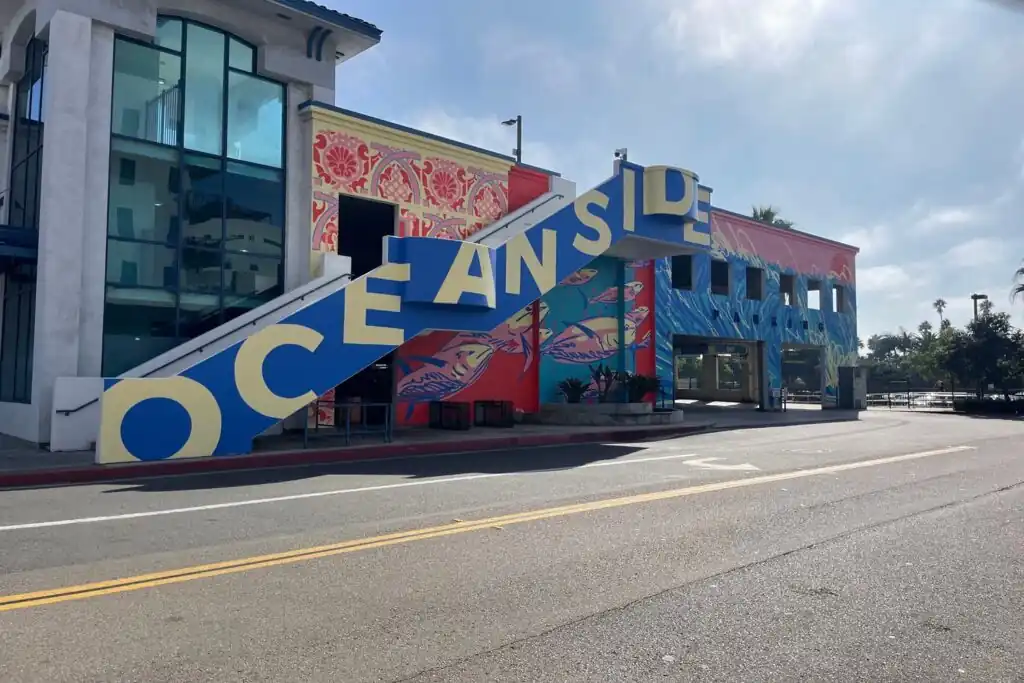
You know that feeling when you’re headed to catch a train — maybe the Amtrak Pacific Surfliner or the COASTER — and your biggest worry isn’t being late, it’s where on earth to park? Yeah, that’s Oceanside Transit Center for you. Right in the heart of Oceanside, this busy little hub connects locals, day-trippers, and long-distance travelers heading toward San Diego, Los Angeles, or even up the coast to Santa Barbara.
The Oceanside Transit Center Parking Garage has become almost as talked-about as the trains themselves — mostly because it’s both convenient and confusing. It’s popular with daily commuters, weekend beachgoers, and even travelers who use the Oceanside Transit Center as a base before exploring the nearby harbor, MainStreet Oceanside, or the California Surf Museum.
But with growing crowds, new parking rules, and updated 2025 rates, even regulars get tripped up. So, this guide breaks everything down for you — every rate, every access point, every quiet corner where you might snag a spot when everyone else is circling.
You’ll learn how to find the best entrance off South Tremont Street, what the Oceanside meter parking hours mean, how overnight parking at Oceanside Transit Center really works, and what to expect if you’re driving an EV or bike.
Why it matters? Because this garage isn’t just about parking — it’s part of the rhythm of the city: Amtrak, Metrolink, BREEZE Routes, Sprinter trains, even Greyhound buses. And if you plan to explore beaches, harbor lots, or downtown Oceanside, this place becomes your unofficial home base.
So, whether you’re a commuter from San Diego County, a visitor chasing waves near Oceanside City Beach, or just someone curious about how the Oceanside parking structure works in 2025 — this is your map, your checklist, and maybe your small sigh of relief before you go, “Ah, found it.”
I. Overview of Oceanside Transit Center

A. Location & Connectivity
The Oceanside Transit Center sits at 235 South Tremont Street parking, just a few steps from Mission Avenue and the Coast Highway. It’s hard to miss — a steady pulse of travelers, surfboards peeking from car trunks, the faint sound of train whistles merging with ocean air.
It’s a central node where Amtrak’s Pacific Surfliner, Metrolink, and NCTD’s COASTER and BREEZE buses all connect — a real crossroads for Southern California travelers. You could park your car, hop a train to LA or San Diego, or grab a BREEZE Route to nearby communities.
There’s also the City Hall Bike Station just around the corner, with racks and repair tools for cyclists who prefer pedaling instead of parking. And for tech-minded travelers, EV charging stations are gradually being added, funded partly through the SANDAG Active Transportation Grant — small steps toward a cleaner, smarter Oceanside parking facility.
B. Why Parking Here Matters
Parking at the Oceanside Transit Center isn’t just about convenience; it’s about connection. For commuters who work in San Diego but live near the coast, this garage is their morning gateway. For day trippers heading north to Santa Fe Depot or down to Old Town, it’s a safe spot to leave the car.
And for travelers — especially first-timers — the Oceanside Transit Center Parking Garage saves time, stress, and a bit of money compared to private Oceanside parking lots or harbor beach lots.
On weekends, though? It fills fast. Between surf competitions, markets, and events organized by the Oceanside Arts Commission, parking demand spikes. Locals joke that finding a free parking spot near Seagaze Drive on a Saturday is almost like spotting a dolphin mid-wave.
So, yes, this garage matters. It keeps the city’s rhythm flowing — linking the Pacific Ocean, Oceanside Museum of Art, Nautical Neighbors murals, and the everyday commuters who rely on this place as their second home.
II. Parking Garage Overview

A. Structure & Capacity
The Oceanside Transit Center parking structure is a multi-level facility designed to serve hundreds of vehicles daily — commuters, visitors, even recreational vehicles with specific permits. It’s well-lit, regularly patrolled, and equipped with security cameras across each floor for safety.
There are accessible entrances and exits along Tremont Street and Seagaze Drive, clearly marked with signage to prevent the “loop of confusion” (you’ll know it if you’ve ever circled for too long). Each level is labeled with bright tile patterns — a nod to the Art that Excites Program, featuring public artworks like Yin Yang Dragons by Jonny Pucci.
Honestly, it feels a bit different from typical municipal parking. There’s art on the walls, soft lighting, and even mosaics inspired by Oceanside’s surfing culture and fishing history.
B. Parking Types
You’ll find three main types of spaces here:
| Type | Description | Notes |
|---|---|---|
| Short-Term Parking | Ideal for pickup, drop-off, or less than 2 hours | Located near elevators and main exits |
| Long-Term Parking | For commuters and overnight travelers | Permit required for stays beyond 24 hours |
| ADA-Accessible Spaces | Ramps and elevators nearby | Compliant with federal accessibility standards |
EV drivers have dedicated charging bays, while cyclists can park at the Bike Station near City Hall or use racks along Cleveland Street.
Overnight parking at Oceanside Transit Center is allowed but regulated — vehicles must be registered, and you’ll need to enter your license plate number at the pay machines or through approved mobile apps.
It’s worth noting that Oceanside Transit Center parking enforcement is active. So, avoid expired meters or “pay and display” lapses — fines are issued by the City of Oceanside Parking Division and can be appealed online via the Service Finder menu on the city’s website.
III. Parking Rates and Payment Options (2025 Update)

A. Daily and Hourly Rates
Rates in 2025 remain fairly reasonable, especially compared to San Diego or Orange County. Here’s a simple breakdown:
| Duration | Rate (2025) | Details |
|---|---|---|
| First 2 Hours | Free | Ideal for quick drop-offs or short visits |
| 2–5 Hours | $3 per hour | Metered or pay-and-display system |
| Daily Max | $12 | Charged automatically after 5+ hours |
| Overnight Parking | $18 | Requires registration via pay app or kiosk |
For context, nearby harbor lots and Municipal Lots can cost anywhere from $15 to $25 per day, so the Oceanside Transit Center parking garage rates are relatively affordable.
If you’re comparing this with other regional stations — like Escondido Transit Center parking or Old Town Transit Center — Oceanside’s structure offers a balance between location and price.
B. Monthly or Long-Term Passes
For regular commuters, the North County Transit District (NCTD) offers monthly passes that combine train access with discounted long-term parking. You can apply for these permits through the Oceanside Parking Division or NCTD’s Service Finder page.
A long-term parking permit allows you to leave your car for multiple days — say, a long weekend in LA or a week visiting family — without worrying about tickets or tows.
And here’s something people often miss: if you live in certain affordable housing units or mixed-use developments near Missouri Street or Michigan Avenue, you may qualify for reduced-rate parking under Senate Bill 79 (SB 79) — part of Gavin Newsom’s broader push for transit-oriented housing incentives.
C. Accepted Payment Methods
Payment’s simple — you can use:
- Credit or debit cards at pay machines
- Cash (exact change recommended)
- ParkMobile or Passport mobile apps
- Digital receipts or validation from nearby businesses
Pro Tip: Always double-check your parking ticket and make sure your license plate number matches what’s entered. The system uses plate recognition for enforcement, so small errors can trigger fines.
If you park regularly, consider downloading the Oceanside Transit Center app (linked on the city’s site). It lets you check real-time availability, pay remotely, and even receive notifications before your time expires — a nice layer of protection against that classic “one-minute-too-late” ticket.
IV. Directions & Access Points
Finding your way to the Oceanside Transit Center Parking Garage is easy — until it isn’t. Honestly, the signage helps, but the downtown traffic can get a little confusing, especially during rush hours or event weekends.
If you’re coming from I-5, just exit at Mission Avenue and follow signs toward Downtown Oceanside. The garage is tucked along South Tremont Street, between Seagaze Drive and Cleveland Street. You’ll probably spot it by the light-gray concrete facade with subtle blue accents — or, more likely, by the slow crawl of drivers trying to figure out if they missed the entrance (we’ve all been there).
A. Getting to the Garage
From the Coast Highway, turn onto Seagaze Drive — it’s the easiest way in. If you’re using GPS, search Oceanside Transit Center Parking Garage Map or plug in the Oceanside Transit Center address: 235 S Tremont St, Oceanside, CA 92054.
If you’re a visual person, mapcarta.com even shows a layered view with nearby parking lots and the Oceanside train station platforms. That helps if you want to scope things out before your trip.
For cyclists, the Bike Trails from the Strand N. and Oceanside Community Center lead straight toward the garage, connecting to bike repair stations and racks near the City Hall Bike Station.
B. Entry & Exit Points
- Primary Entry: South Tremont Street
- Secondary Exit: Seagaze Drive (quicker during weekday evenings)
- Overflow Access: Occasionally opened via Cleveland Street during events
The traffic flow is one-way inside the garage, with clear signage. But here’s the human truth — it gets tight during commuter hours. You’ll see people hesitating, backing up slightly, waving other cars through. It’s fine. Just take your time.
C. Accessibility for Disabled Drivers
If you’re looking for accessible parking, the first and second floors are your best bet. Each has ADA-compliant ramps, direct elevator access to the accessible platform, and routes leading toward Amtrak Ticketing Kiosks and Accessible restrooms.
And if you ever feel unsure — the Oceanside Transit Center phone number is posted near the pay and display meters. You can call for quick help, like if your parking ticket won’t scan or the pay machine freezes (it happens more than people admit).
V. Safety, Cleanliness & Security Features
People often wonder: Is the Oceanside Transit Center parking garage safe at night? Honestly, yes — but with the same common sense you’d use anywhere.
A. On-Site Security
There’s active CCTV coverage, good lighting on every level, and regular patrols coordinated with the City of Oceanside Police Department. You’ll spot emergency call boxes marked by blue lights — they’re functional and checked often.
The security checks happen every few hours, especially after midnight when overnight parking at Oceanside Transit Center increases. They’ll occasionally verify vehicle plates, mostly to prevent spam accounts or fraudulent use of annual permits.
B. Cleanliness & Maintenance
The garage is surprisingly tidy — cleaned daily under the Oceanside Parking Division’s routine schedule. You might notice murals and glass mosaic art from the Oceanside California Cultural District, blending the practical with the creative.
There’s one mural, “Nautical Neighbors” by Jon Hamrick, depicting waves and harbor scenes. It’s part of the Public Art Project and the California Arts Council’s initiative to make public spaces more inviting.
C. Personal Safety Tips
- Park closer to elevators or under lighting if you’re staying late.
- Keep valuables out of sight — Oceanside’s safe, but temptation happens.
- If you’re leaving your car overnight, note your level and section (a small sticky note on your phone helps).
Pro Tip: Arrive earlier in the morning or mid-afternoon for the calmest parking experience. Late-night train departures tend to create small clusters of waiting passengers, which can feel a bit crowded around the accessible waiting room.
VI. Nearby Amenities and Alternatives
A. Alternative Parking Lots
Sometimes, even the best-laid plans go sideways — the garage might be full or temporarily closed for maintenance. Don’t panic. Oceanside offers several nearby Municipal Lots and private parking facilities.
| Lot Name | Address | Rate Range | Distance to Station |
|---|---|---|---|
| Civic Center Lot | 300 N Coast Hwy | $8–$12/day | 6-minute walk |
| Oceanside Pier Lot | 168 N Pacific St | $10–$15/day | 10-minute walk |
| Seagaze Surface Lot | 102 Seagaze Dr | $5 flat rate | 3-minute walk |
| Harbor Beach Lot | Harbor Dr. North | $15–$25/day | 12-minute walk |
If you’re staying at one of the nearby hotels — like those part of Toll Brothers Apartment Living or the mixed-use project near Missouri Street — check for guest parking passes. Some offer short-term validation that works in both the Oceanside Transit Center parking structure and hotel garages.
B. Dining & Attractions Near the Garage
While you wait for your Amtrak or Metrolink train, there’s plenty nearby. A few favorites:
- MainStreet Oceanside Café (for breakfast burritos and ocean views)
- Hello Betty Fish House (laid-back vibe, rooftop seating)
- California Surf Museum (small but fun detour if you have an hour)
- Oceanside Museum of Art (free admission days are worth checking)
If you’re more of a wanderer, head toward The Strand N. and walk along the pier — it’s classic Oceanside. You’ll see surfers, seagulls, and that breezy Cape Cod-style harbor that somehow feels both nostalgic and new.
C. Public Transportation Alternatives
If parking’s a hassle, consider skipping it altogether. The BREEZE Routes, Sprinter, and Park and Ride options make it simple to reach the Oceanside Transportation Center without driving in. There’s even a bike repair station for those using electric bikes or Smart Cycling Classes to navigate town.
It’s part of the city’s push toward a more sustainable, connected Oceanside — blending the Transit Center, bike maps, and pedestrian routes into one continuous network.
VII. Sustainability and Future Developments
It’s strange to think of a parking structure as eco-friendly, but the Oceanside Transit Center Parking Garage is trying. Maybe not perfect — but definitely trying.
A. Green Features
Solar-powered lighting lines the roof level now, part of a small SANDAG Active Transportation Grant project. The EV charging stations have doubled since 2023, and a few more are planned near Michigan Avenue.
They’re also experimenting with permeable pavement on select sections to reduce water runoff — small changes that show up in city reports but not always noticed by commuters rushing to catch the COASTER.
The garage’s newer murals are made using recycled glass tiles, commissioned through Oceanside Odyssey, an Oceanside Arts Commission collaboration. It’s art, but also activism — each wave-shaped tile nods to Oceanside’s surfing culture and the Pacific Ocean’s fragility.
B. Upcoming Expansions (2025–2026)
The city has plans to add smart parking technology — sensors that show real-time space availability on the Oceanside Transit Center app and digital signage along Tremont Street.
There’s also talk of expanding the pedestrian tunnel under the tracks, making it safer for those connecting between the Sprinter and Amtrak platforms.
And something interesting — the City Council is reviewing a mobility hub proposal that integrates bike lockers, electric scooters, and EV car-sharing zones near the garage. If approved, it could redefine how people use the Transit Center — less about parking, more about flow.
VIII. Tips & Local Insights
A. Insider Tips
If there’s one thing you learn quickly about the Oceanside Transit Center Parking Garage, it’s that timing is everything.
Come early — before 8 a.m. if you can. Mornings are calm, the parking enforcement office isn’t buzzing yet, and you’ll actually find a spot on the lower levels without circling endlessly. Around midday, it fills up fast, especially near the accessible waiting room and Amtrak Ticketing Kiosks.
- Best Time to Park: Before 8 a.m. or after 7 p.m. (same-day parking spots open up as commuters head home)
- Avoid: Weekends during the MainStreet Oceanside markets or beach festivals
- Hidden Shortcut: If Tremont Street looks jammed, try looping in from Seagaze Drive — it’s a quieter approach that connects directly to the Oceanside Transit Center parking entrance
Pro Tip: Snap a quick photo of the level signage — the ones decorated with those distinctive tile patterns from the Art that Excites Program. It helps you remember where you parked (and doubles as a nice photo souvenir, honestly).
If you’re a regular commuter, getting an annual permit through the City of Oceanside Parking Division can save time. It also keeps you out of that daily rush to feed meters or re-enter your license plate number into the pay and display machines.
Oh, and if you ever see the word “Verifying…” or “Proceeding…” pop up on the pay kiosk screen, don’t panic — it’s just the system doing a quick security check to prevent spam transactions. Wait a few seconds, and it’ll continue automatically.
B. Local Voices & Real Moments
A traveler once told me she came to Oceanside “just for the murals” and ended up spending an entire day walking from the garage to the Oceanside Museum of Art, then down to the wooden pier. That’s kind of what this city does — it pulls you in quietly.
You park to catch a train, and somehow end up sipping coffee near the harbor, watching the fishing boats drift under a peach-colored sky. Parking garages usually don’t feel like portals to calm — but this one, in some odd way, does.
Maybe it’s because Oceanside isn’t just a transit point. It’s layered — between surfing culture, affordable housing developments, new hotel construction, and that mix of nostalgia and change.
So, when you’re standing near those glass mosaic murals or glancing at the faint reflection of the Pacific Ocean on the tiles, you realize: it’s not just a stopover. It’s a connection point — between journeys, between people.
Final Words
So there it is — the full, messy, human, practical story of the Oceanside Transit Center Parking Garage in 2025.
Maybe it’s not the most glamorous part of traveling — finding a spot, tapping at pay machines, double-checking your parking ticket — but it’s oddly satisfying when it all works. You park, you breathe, you’re ready.
This place is more than a parking structure; it’s a small intersection of lives. Commuters rushing for the COASTER, families heading to San Diego, artists sketching the murals, or visitors waiting with coffee before the next Amtrak rolls in.
If you’re planning to take the train soon — whether to Santa Fe Depot, Old Town, or beyond — bookmark this guide. Check live space availability before your trip, and give yourself that little buffer of calm before the journey begins.
And when you step out of your car and hear that distant hum of the Pacific Ocean, maybe you’ll smile, knowing you figured it out. You parked, you planned — and you’re already halfway to wherever you’re going next.
People Also Might(FAQs)
1. Is parking free at the Oceanside Transit Center?
Not exactly — the first 2 hours are free, but after that, rates start at $3 per hour, with a $12 daily maximum.
2. Can I leave my car overnight at the Transit Center?
Yes, overnight parking at Oceanside Transit Center is allowed. Just make sure to register your vehicle through the pay kiosk or approved app.
3. What are the Oceanside meter parking hours?
Most meters around the Transit Center operate from 8 a.m. to 6 p.m., Monday through Saturday. Sundays and holidays are usually free.
4. How much are the 2025 Oceanside Transit Center parking garage rates?
For 2025, expect $3 per hour, with the first 2 hours free and a $12 daily cap. Overnight parking costs $18.
5. Where exactly is the garage located?
The Oceanside Transit Center parking structure is at 235 S Tremont Street, between Seagaze Drive and Cleveland Street, just steps from the Amtrak and COASTER platforms.
6. Are there EV charging stations in the garage?
Yes, several. They’re located on the lower levels and are expanding in 2025 as part of Oceanside’s sustainability initiative.
7. Is it safe to park at night?
Generally, yes. The garage has cameras, lighting, and routine patrols by the Oceanside Police Department.
8. Can I pay by phone or online?
Absolutely. The ParkMobile and Passport apps work here. You can pay, extend time, and even check space availability.
9. Are there free parking spots near the Transit Center?
A few — mostly around Seagaze Drive and Missouri Street. But they fill up fast and often have street signage restrictions, so read carefully.
10. What’s nearby if I arrive early for my train?
Grab a bite at MainStreet Oceanside Café, wander the Oceanside Museum of Art, or stroll down to Oceanside City Beach — all within a 10-minute walk.